#014 Practicing Inconvenience
Songs grey out. Playlists forget. You built a listening life on borrowed terms and never noticed what disappeared. This issue asks what it actually means to own something. From mp3s to Riso ink. Small acts of repair.
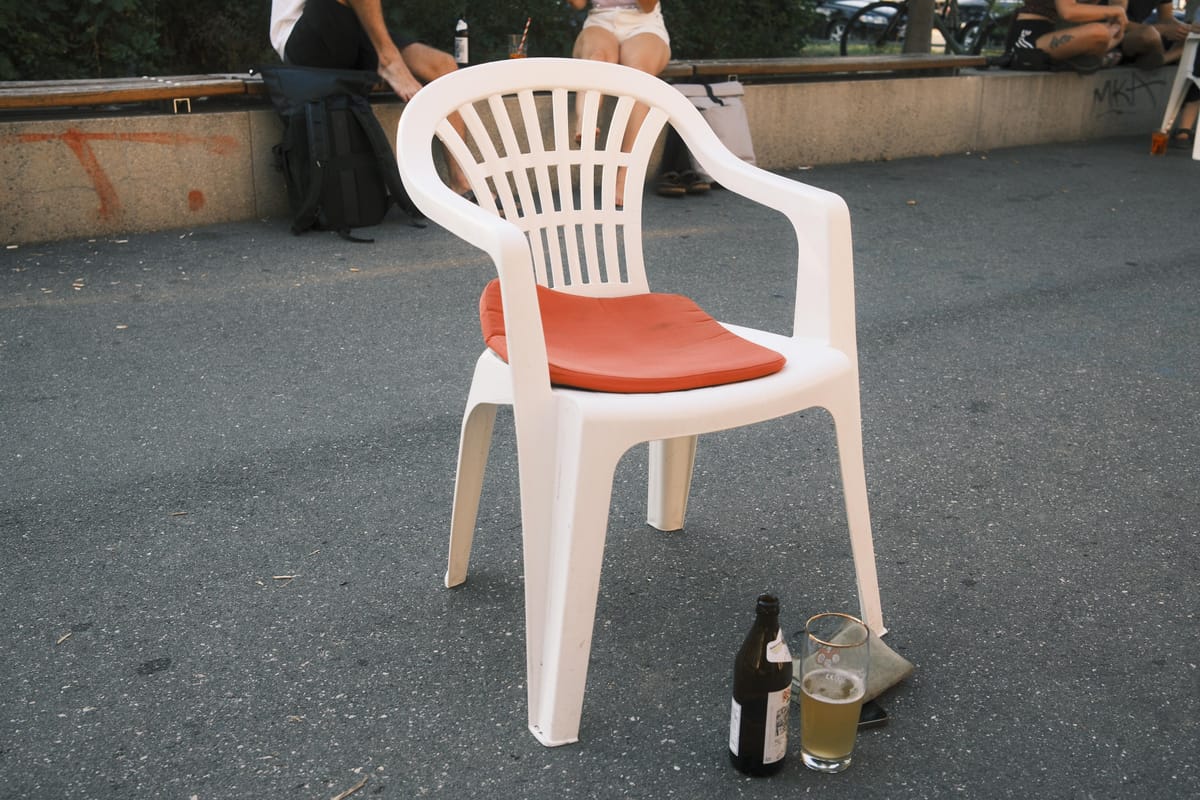
I am sitting in Adrian's car, an old and beaten up Seat Touran, on the way back from a long day at the MakerLab. Kiosk West, there we are heading for a summer end-of-the-day refresher, or as they call it in Germany, the Feierabend Bier. Your daily permission to stop thinking about work. Prost.
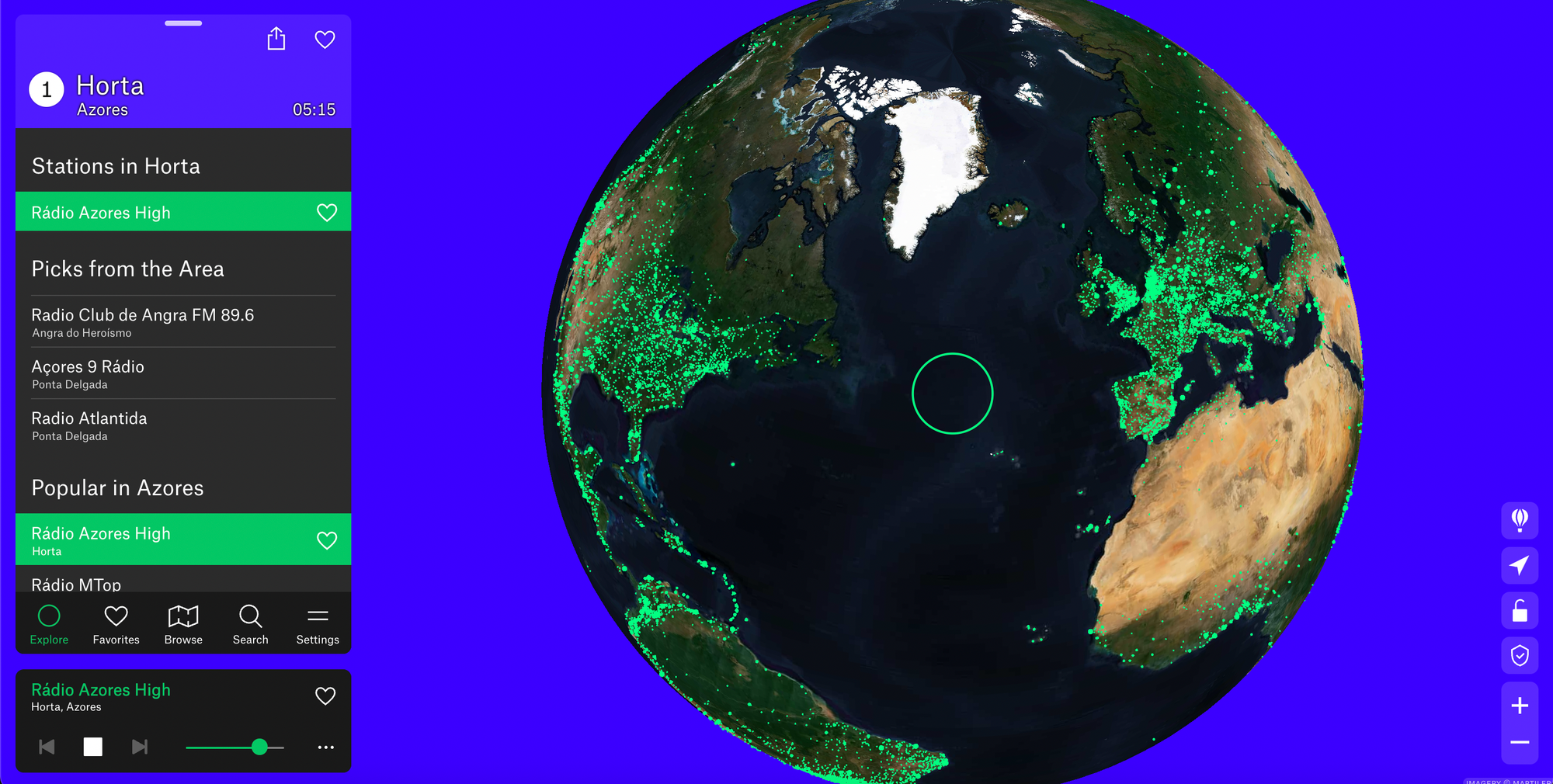
We are talking about Radio Garden, an app discovered by Adrian that turns the globe into a radio dial. Spin it, point your finger anywhere, listen.
It feels like teleportation. A serendipitous journey into the sound of place, no matter where. Beautifully inconvenient. As I get out the car and shut the door behind me, Adrian shouts: practicing inconvenience!
This Hotpot has been simmering for a while now. It works like that. Ingredients go in at different times and temperatures. Some pop and vanish, while others sink slowly and deeply.
Thinking about the convenience of access opposed to the inconvenience of ownership got me back in the kitchen for today's issue and as I have been writing, the desire to talk about what it actually means to own something kept rising to the surface.

About a year ago, I got kicked out of a Spotify family account that my sister-in-law Silvia had been generously sharing. And just like that, my convenient listening life changed.
I stand behind the reasons not to go back. The extractive economics, the uncomfortable entanglement with the weapons industry, the thirteen euros a month for something that feels both indispensable and wrong. I know I am not alone.
The activist group Anna's Archive recently claimed to have scraped Spotify's entire music database and is prepared to release it onto p2p networks. Some people's response to a broken system is to burn it down. Mine, a much less radical act, was to go to Beatport and purchase a bunch of mp3s.
The first time I had purchased a music file in years. And something about it felt unexpectedly significant, like a small act of repair.
Remember iTunes? We all bought music there once. Why did we stop?
Elena and Silvia told me their iPod-days music, bought on iTunes, had simply disappeared. They felt betrayed. If they bought it and it vanished, what did they buy in the first place?
iTunes sold us something that felt like ownership but wasn't truly. Pay, download, own the file in M4A format. But M4A wrapped the music in encryption that bound it to Apple devices and accounts. What felt permanent was only conditional. Apple tracked your purchase history, but could not guarantee a song would still be available for re-download if a contract with an artist had since expired.
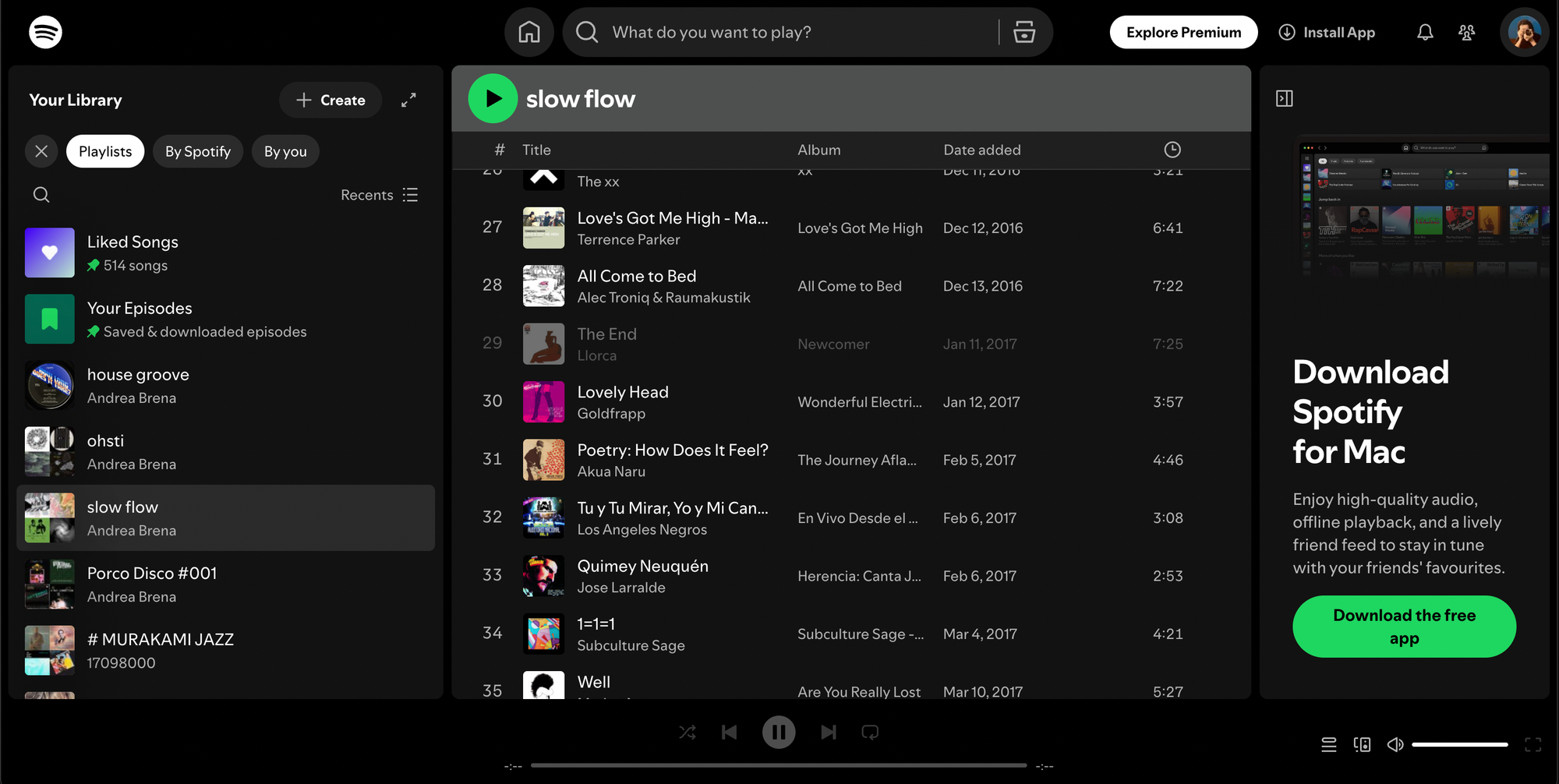
Go back to Spotify now. Open a playlist you have had for years. Look for the grey. It's there. Songs silently slipped away, licensing gone cold, music that was there and simply isn't anymore. If you have been playing on shuffle you might not have even noticed what you lost. The playlist just moves on. Ouch.
That quiet disappearance. That's what stays with me. Not theft. Erosion. A slow untethering from things you thought were yours to keep.
Don't you feel it? A quiet collective recalibration, as if the uncertainty, and at times absurdity, of our times invites us to take a step back and seek refuge in experiences that are slower, that have edges, that end, that can't be shuffled past.
Maybe this is why you find yourself bumping into a listening bar and it makes some kind of sense. They are probably in your city already. Spaces built around the ritual of listening: good speakers, a record played without interruption from the first groove to the last. A vinyl side as a finite object, a commitment, something that resists the skip and the fast forward.
I am wary of the aspirational charge around them. The performance of slowness, the aesthetic of scarcity, a cultural longing packaged and sold back to you. I include myself in this critique. I am drawn to these places, not sure if this longing says more about what I feel I have lost than about what they actually offer.
But this tension is worth sitting with rather than resolving hastily. The desire is real. After years of frictionless consumption, of everywhere (and everything) and now, more and more people are reaching for the physical, the heavy, the scarce, the textured. Not only something you can own again, but something you can hold. Something that holds you back.
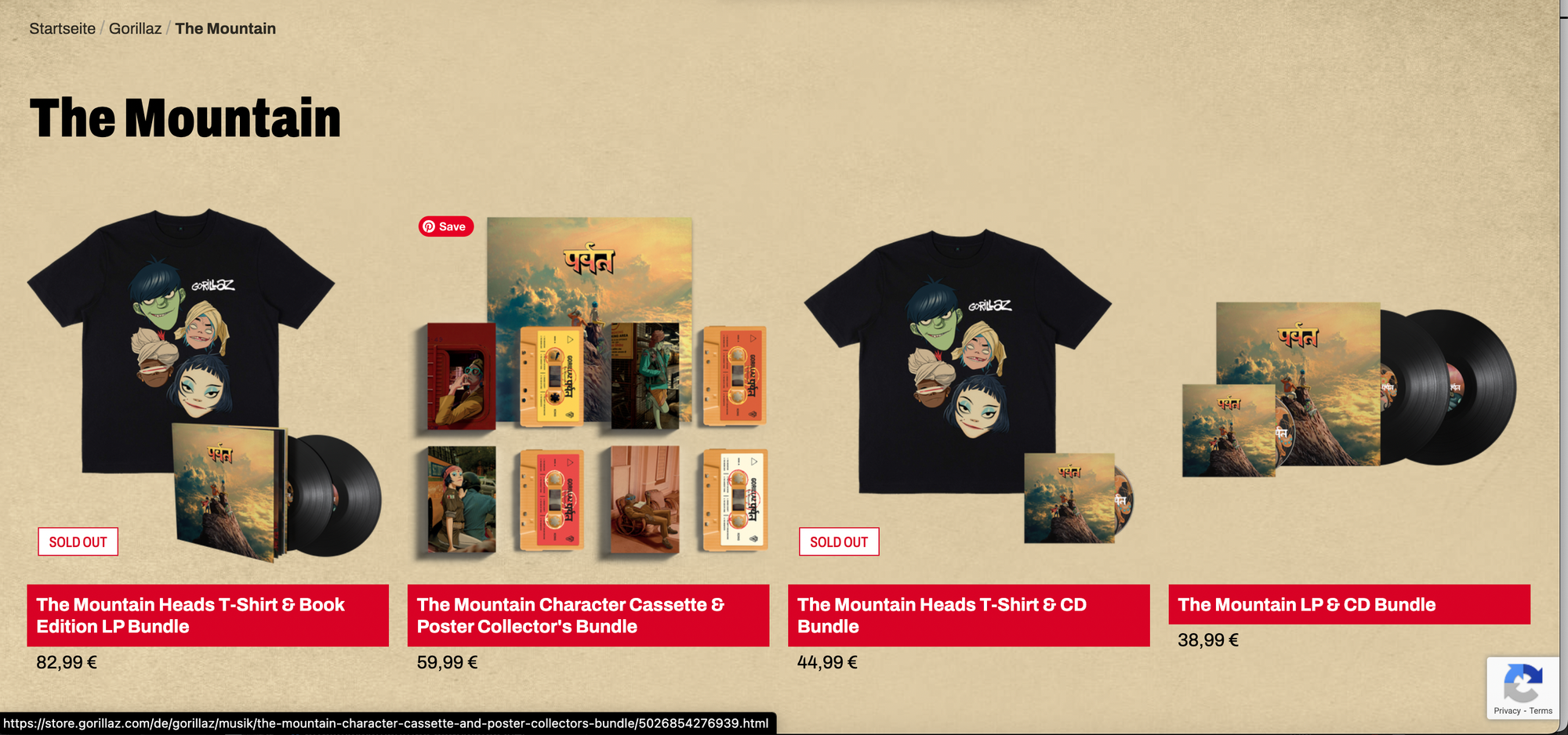
At the time of writing I am listening to the long awaited Gorillaz Album. Their shop page confirms the appetite for the analog. There are LPs, cassettes, cds, all artifacts that we thought gone, now selling out.
The return to the analog has always felt reactive to me, almost like a coping mechanism. When "È tutto troppo" (Everything is too much) our survival instincts might draw us toward more life-compatible habits. The analog cameras during my daily walks along the Donau during Covid. The rejection of screen time and the desire to tinker again after years of digital interconnectedness. The record player in my living room after years of streaming music in the background.
I am still suspicious of it in myself. Is this nostalgia, is this escape, is this another aesthetic to hide inside? But this newsletter has always been about intentionality as a forward movement, not a retreat. Not about optimizing our lives, but about understanding what you actually want to carry forward, and what carrying something really means.
Thinking about music has made me think more broadly about how I build relationships with what I consume and, most importantly, with what I make and create. Losing access to Spotify made me realize I had built a relationship with music entirely on terms I accepted without reading. I am curious to see what inconvenience will restore, and what voids it will simply leave behind.
Making on my own terms. Over the last couple of years, writing and publishing Hotpot (or more recently, refraining from doing so) has taught me a lot about meaning, importance, and urgency. Publishing on my own terms, at my own pace, has generated an appetite that keeps growing, demanding something more tangible, physical, and permanent. Something to hold, to own, to pass on.
I am talking about books. Not a fantasy anymore but a long term project already in the making.
Not as a reaction against the digital, nor as a romantic gesture toward paper. It is perhaps a response to the swipe, to the like, to the share. It is an acknowledgment that as I move across domains of knowledge that algorithmically coexist, I miss the depth that I can only find in books. A book does not grey out.
A book is permanent. Coming back to it does not depend on a contract between authors and platforms. Flipping through pages, staying with something longer than the average piece of content. At times inconvenient.
Out of the many tools I operate in the MakerLab, many of which enables rapid prototyping and yes, they are extremely convenient, there is one in particular that I fell in love with. Neither because its speed nor because its efficiency, but because in a way, it is beautifully inconvenient, Risograph printing. Take screen printing, automate it, and package it into a photocopier. Riso printers are quirky machines with very clear constraints that become opportunities. Once thought for duplicating many copies in a short time, they have been adopted by artists for their qualities and limitations. Slow, physical, slightly unpredictable. A book made on a Riso could not exist any other way, on any other terms. Which, by now, should sound familiar.
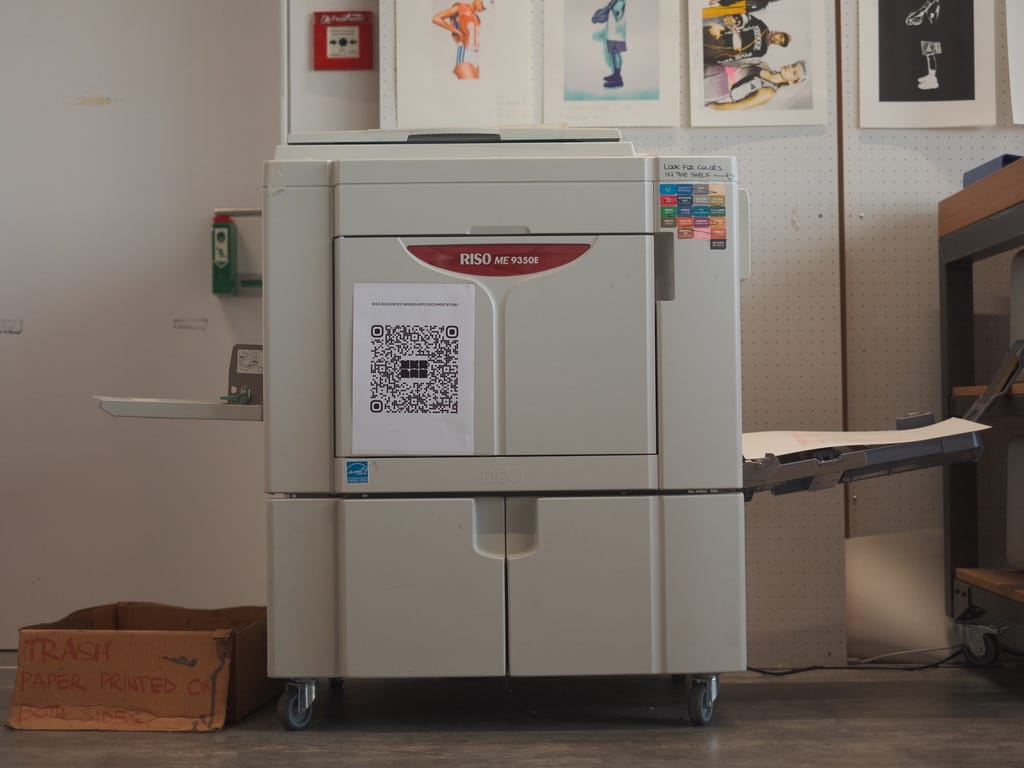
Last year, Gemma Jones, founder of Common Strategies and School of Critical Design, approached me to write a piece on rebellion for their first publication. Flattered, I dared to ask who would be designing and producing it. As this was yet to be defined, I put myself forward and ventured into a three month after-work project that gave me enough confidence to finally give a name to what I was doing, and what I plan to keep doing. Thank you for the trust, Gem, it was a pleasure to work together on our first publication: A series of very-human prompts: Rebellion.
After ten years printing on a Riso, producing an entire book from scratch was a journey full of unknowns and excitement. There will be more.
Hello, Sorriso Publishing.
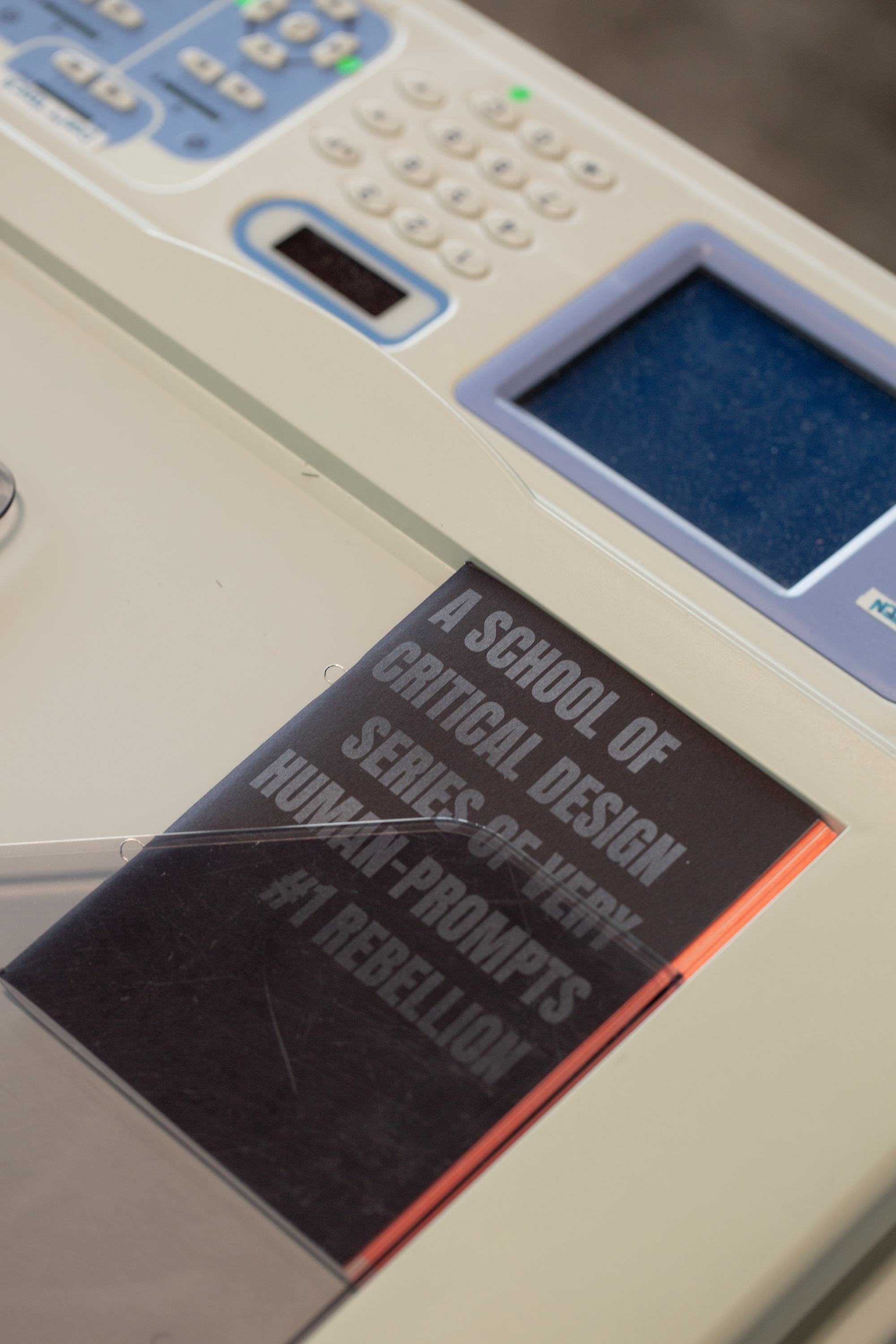
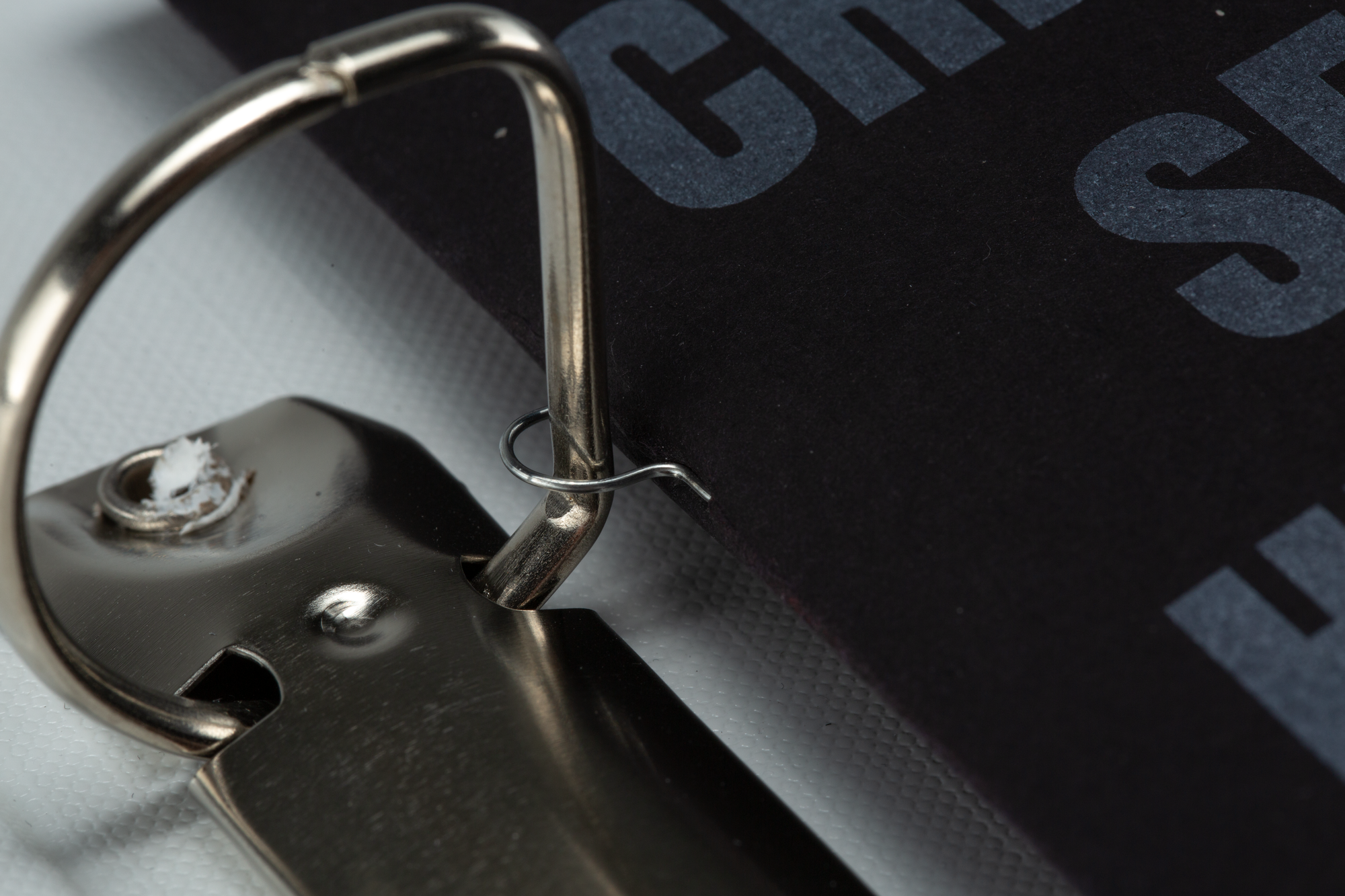
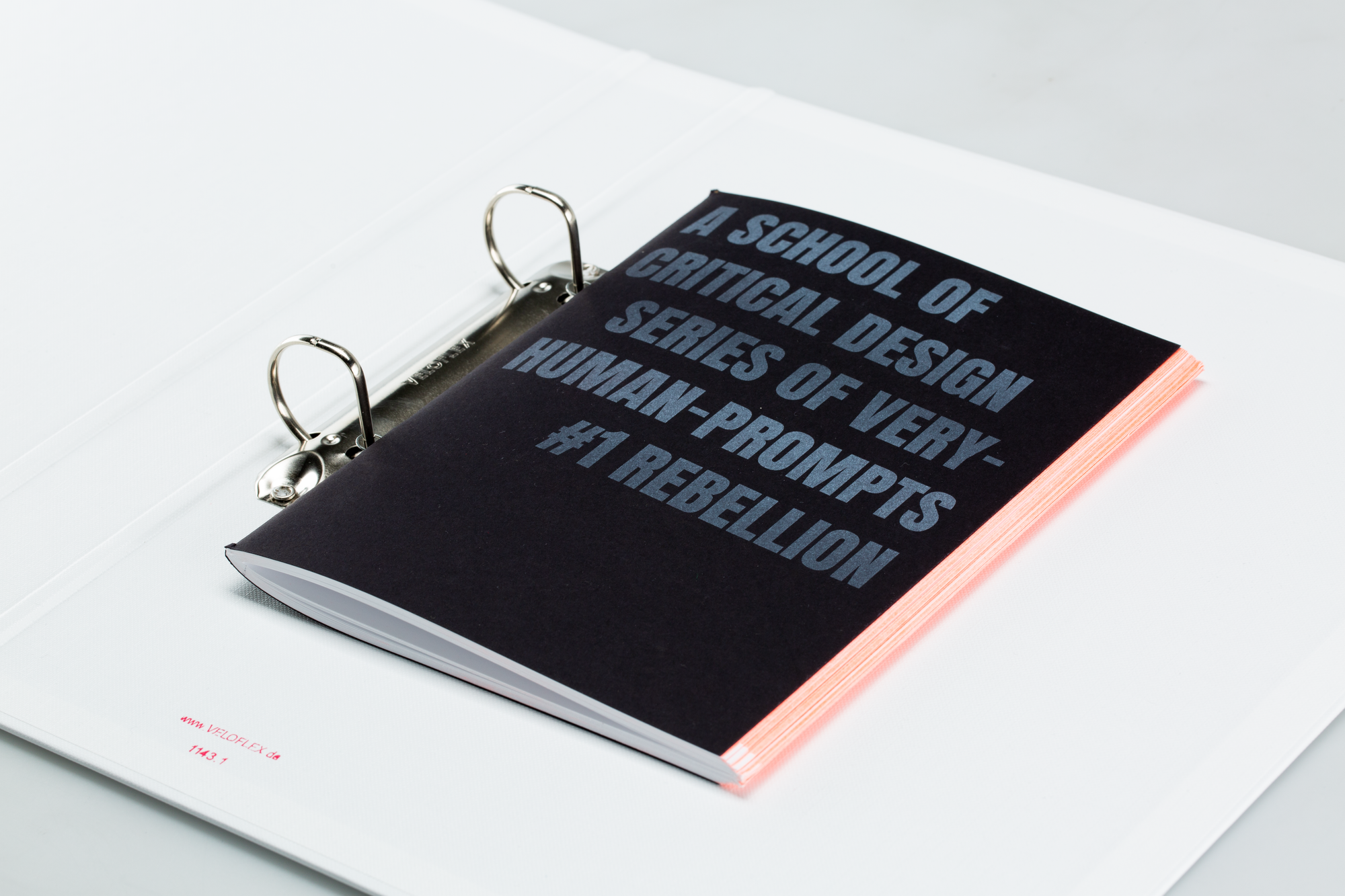
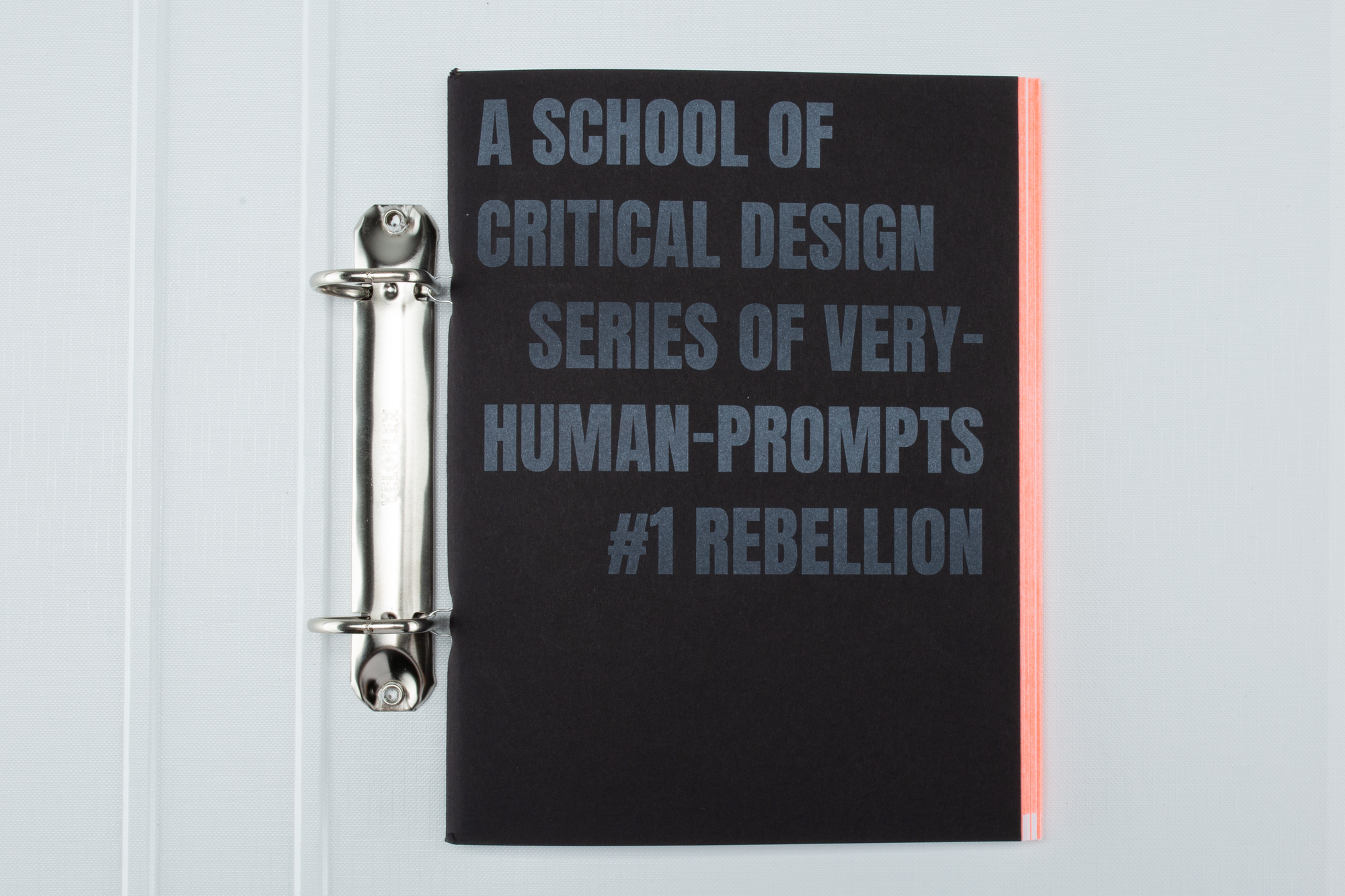
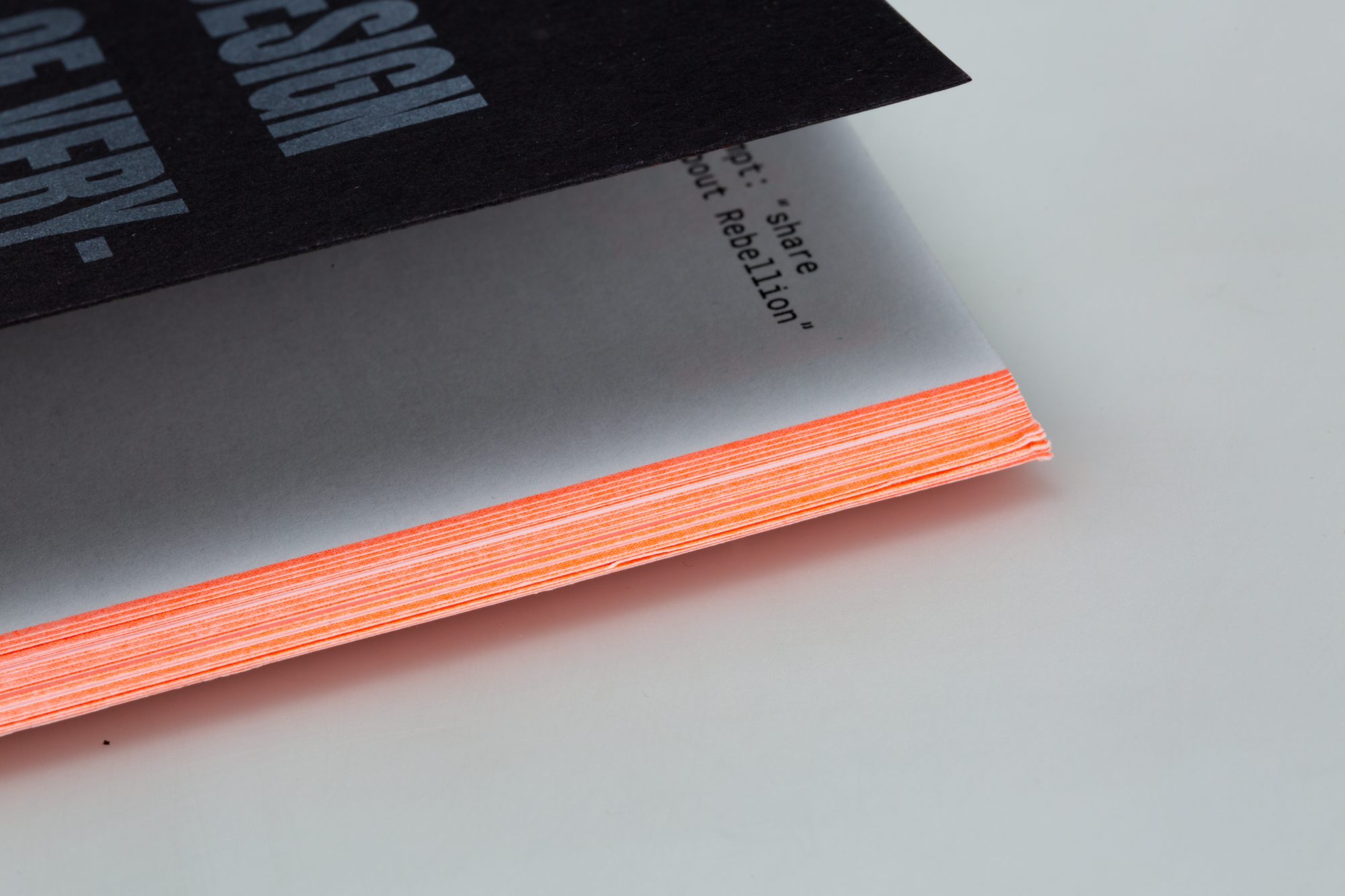
A book designed to be added to, collected, held. Loop-stapled so future editions can join it.
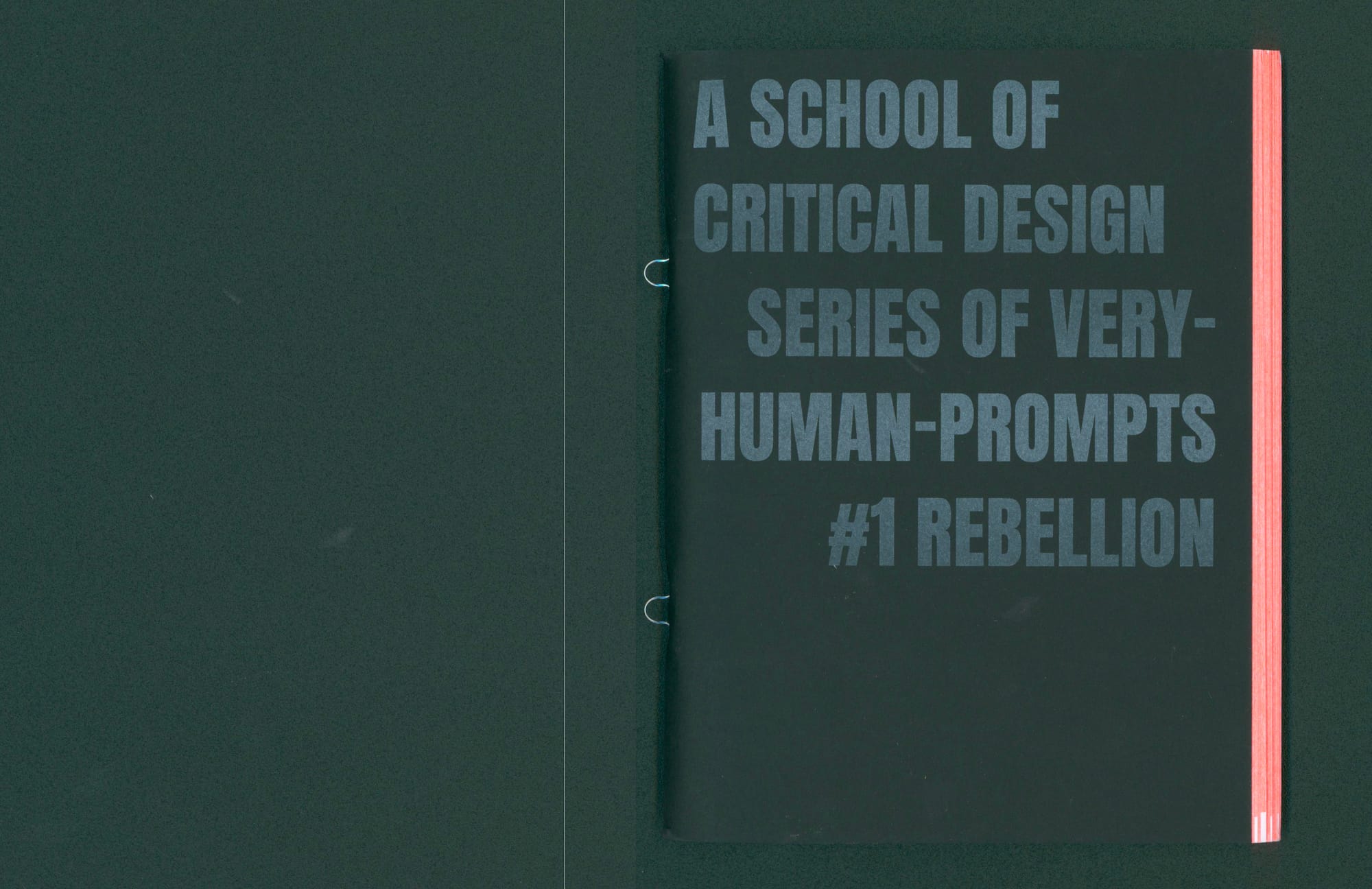
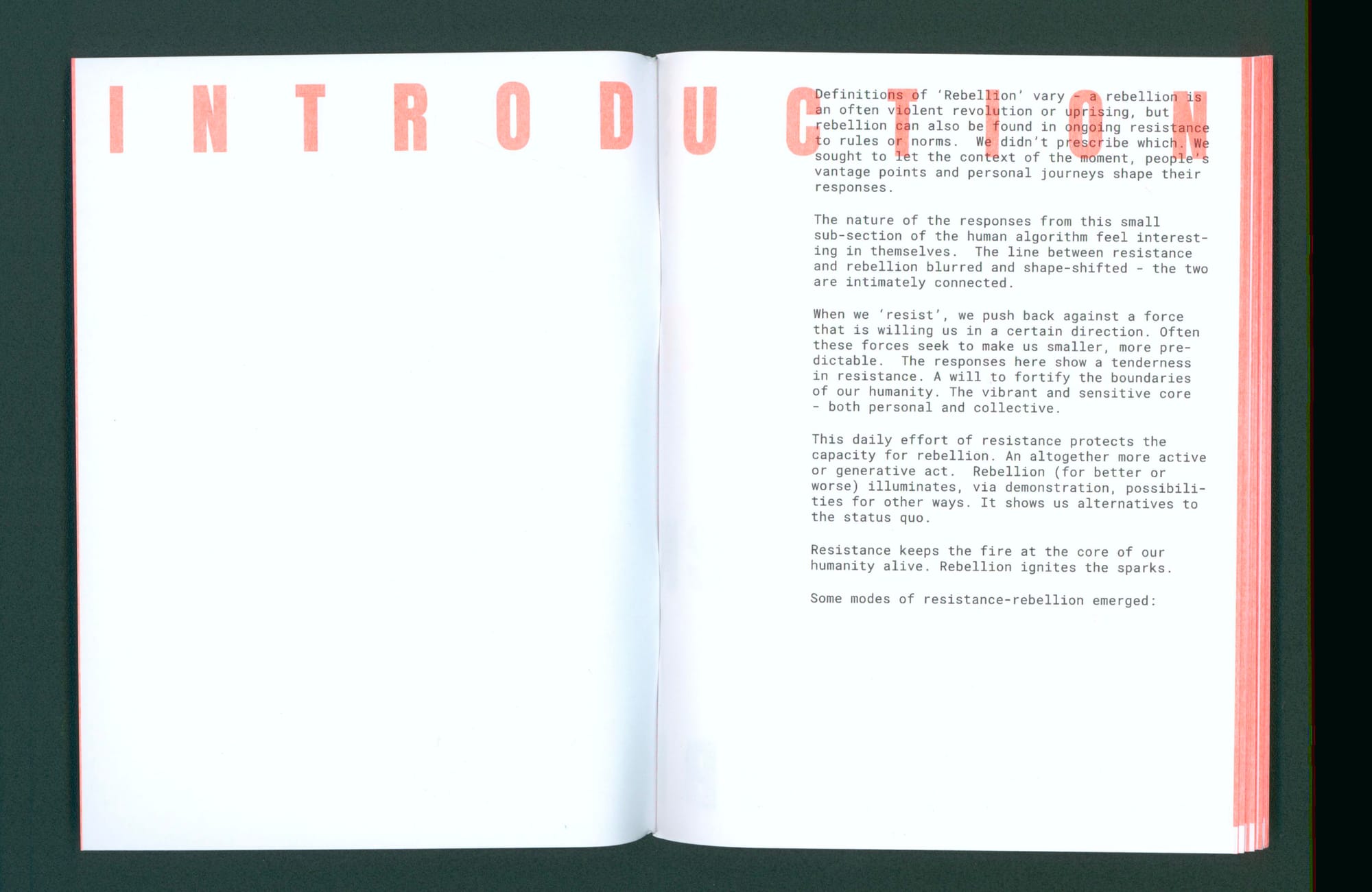
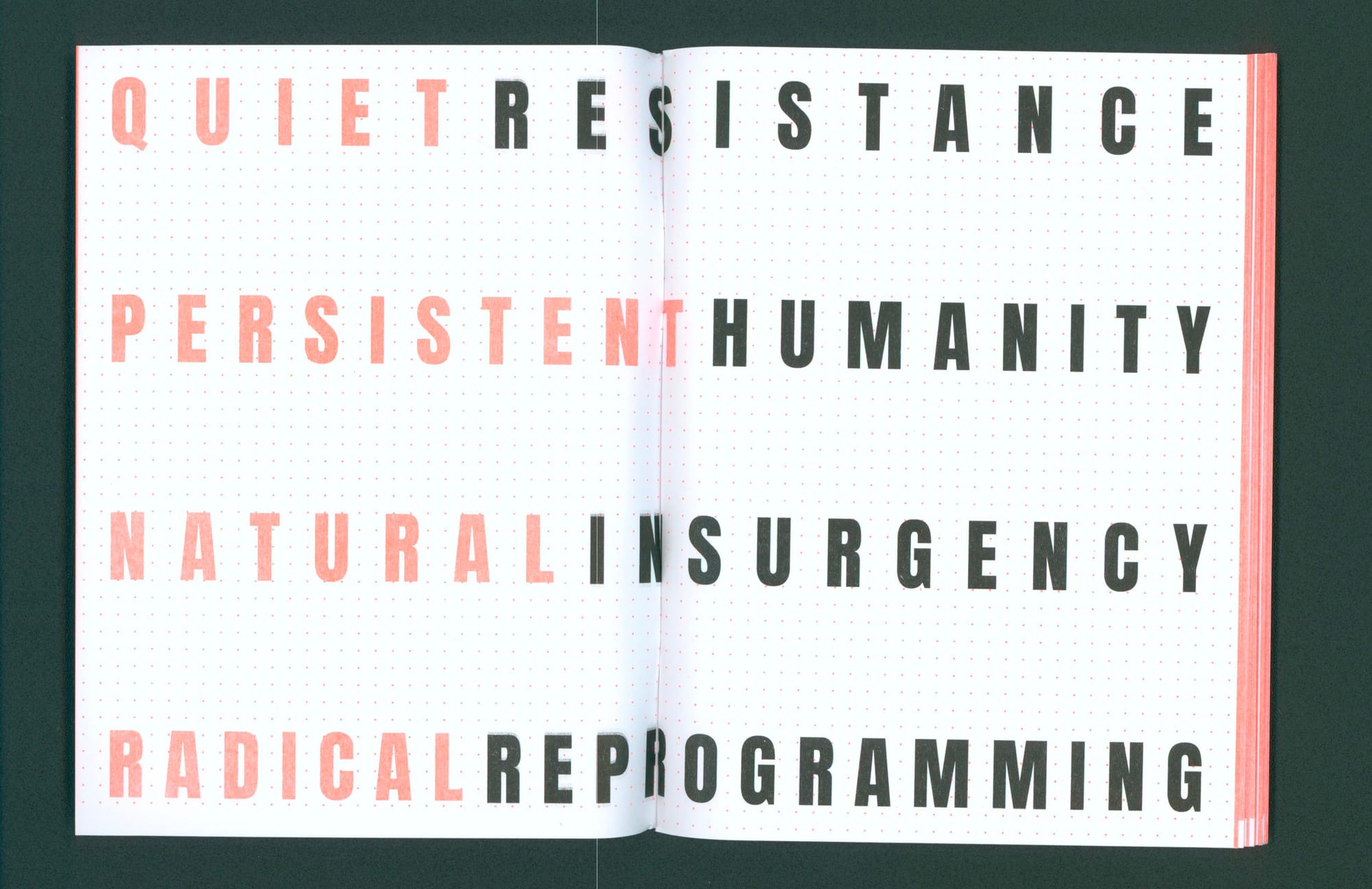
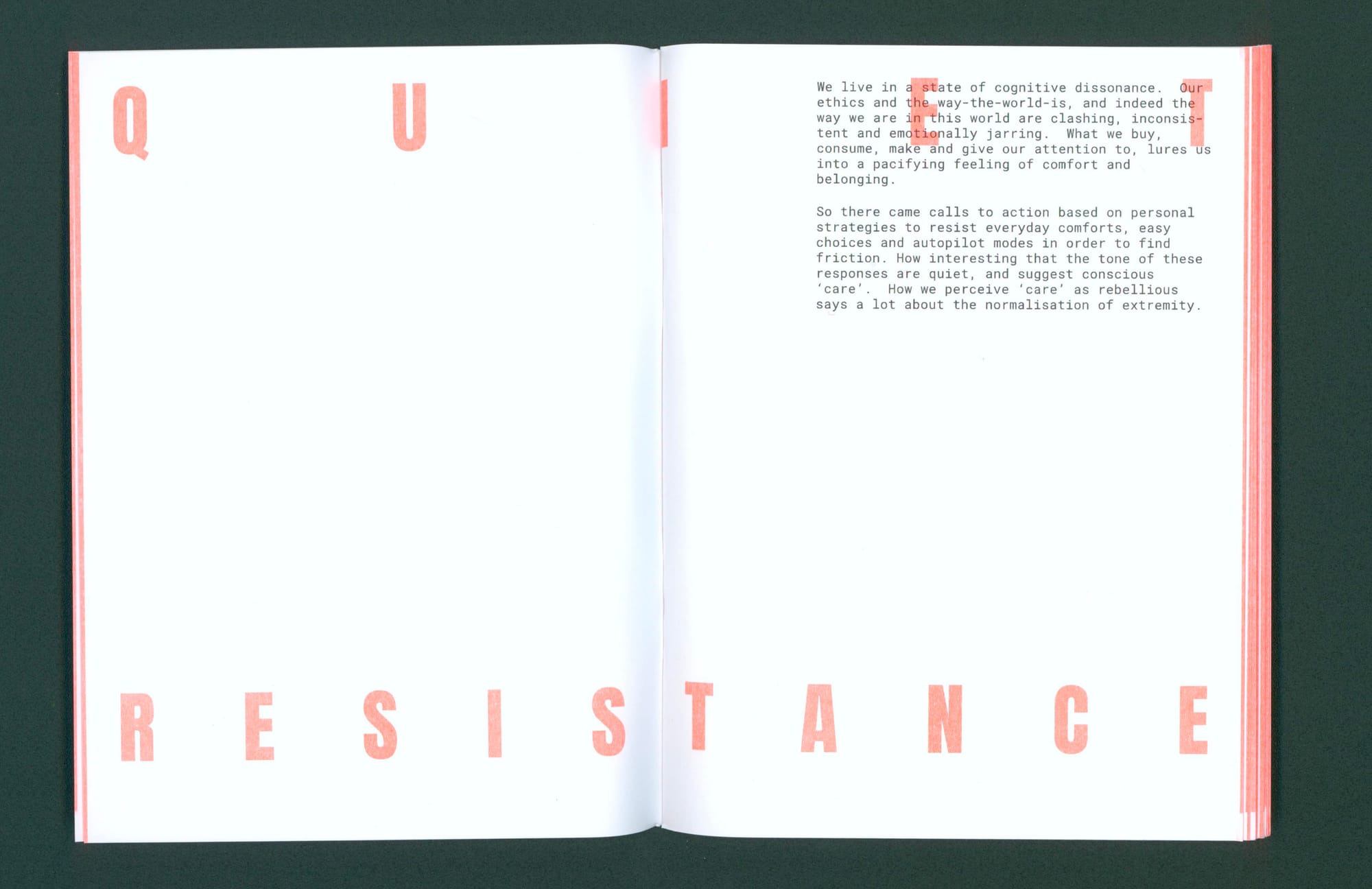
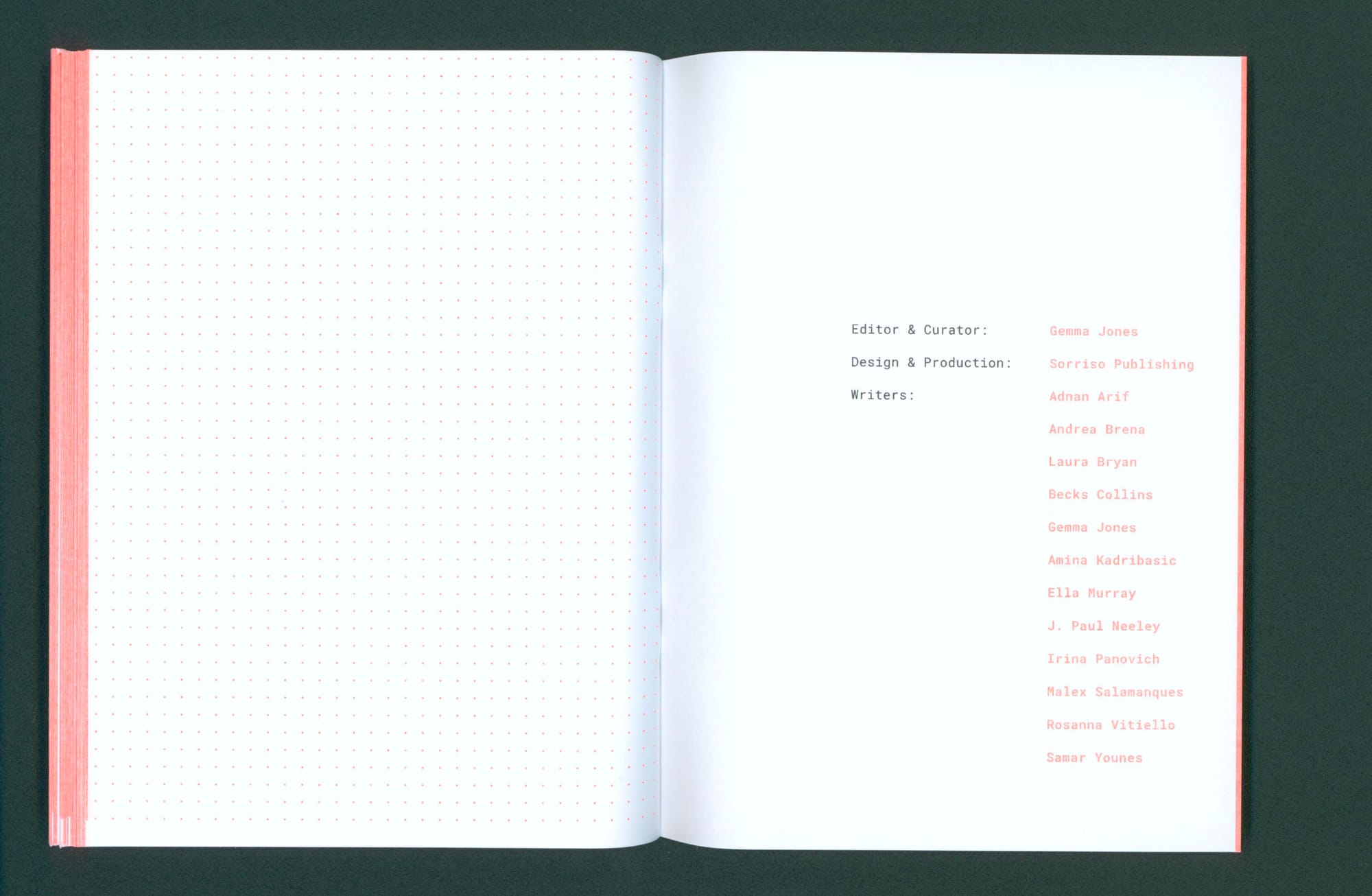
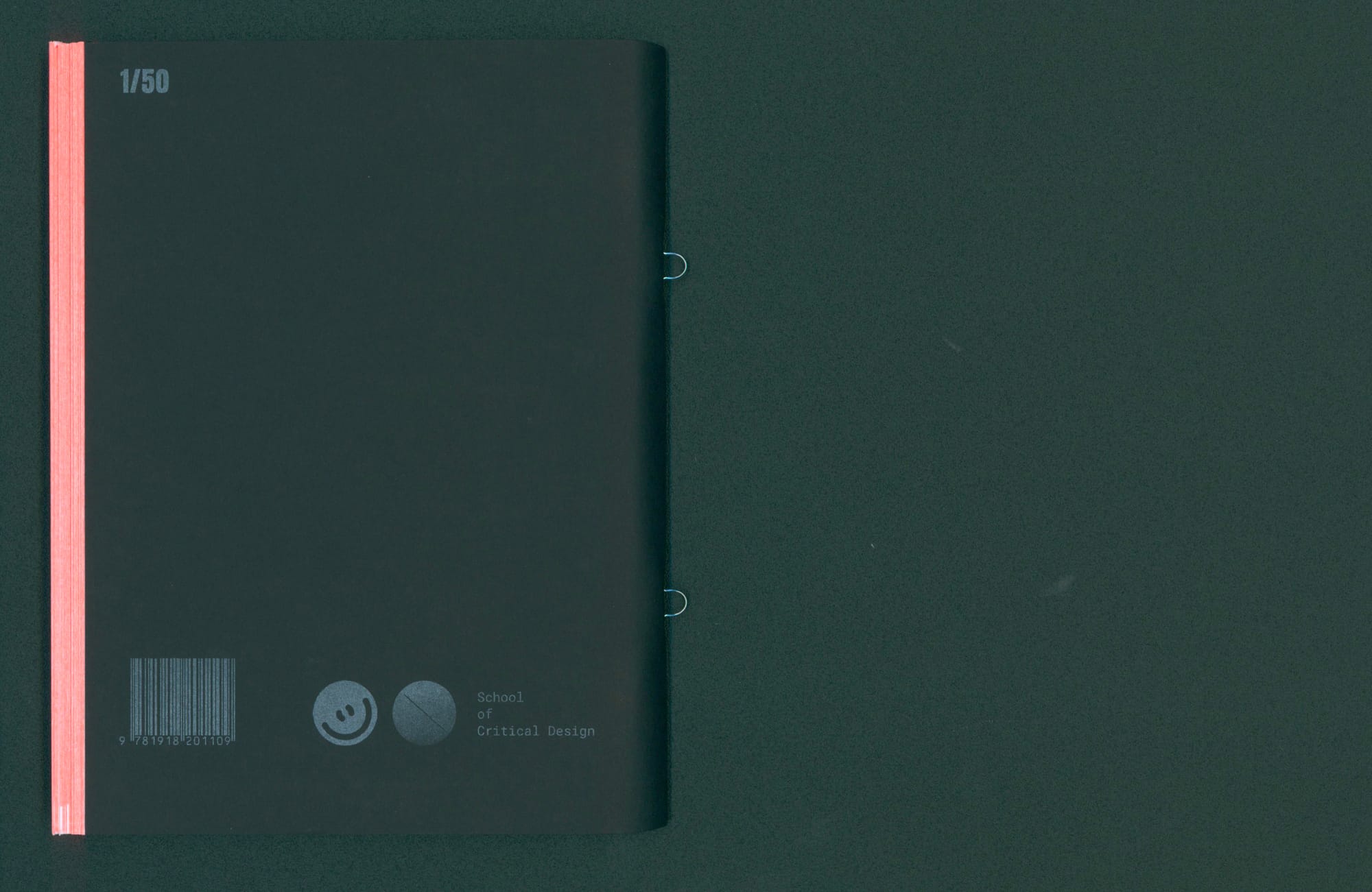
A prompt: #REBELLION sent out to a community. What came back was a range of responses. Inside every answer, new questions. Many rebellion topics have emerged, other did not. The design leaves space to breathe and invites annotations. Fifty copies, riso printed, hand folded and bound.